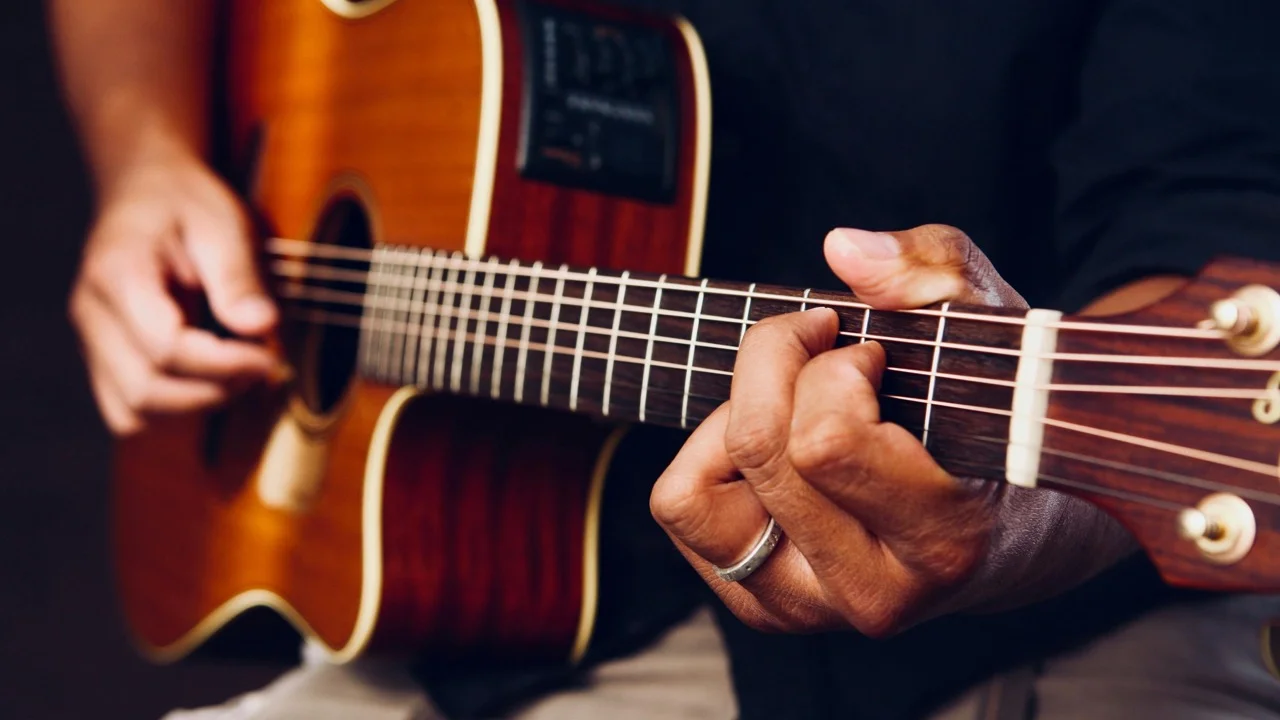
There’s a moment, six months into picking up a hobby, when you can’t remember if it’s going well. You sit down to paint or play or write, and what you finish doesn’t feel much better than what you finished back in week three. So you start wondering whether you’ve been at this for half a year, or whether you’ve been at it for three weeks, four separate times. Without a record, you can’t actually answer that.
Which is the small problem tracking a creative hobby solves. Not productivity. Not performance. Visibility. You want to be able to look back and see that yes, you sat down forty-one times since January, and the strange month where you didn’t sit down at all is the one you don’t remember, because nothing happened in it.
None of what follows is a system for grinding harder at your hobby. Hobbies that get grindy stop being hobbies. This is about keeping a quiet log that, six months in, shows you what’s been going on.
Frequency Beats Quality (At Least for Tracking)
Most people trip on the same thing when they start logging creative practice. They try to record how good the work was: a rating, a self-assessment, a note about how the piano session felt. Two weeks later the friction has killed the habit. The session was already the work. Now you’ve given yourself a second job of grading it.
The version that survives is simpler. Did you do the thing today, and roughly how long. The session counts whether it was good or awful. The painting counts whether you finished it. The half hour of guitar counts even if you just ran the same three chords again, badly.
This lines up with what James Clear says about consistency coming before intensity more than with any productivity framework. It works for an unglamorous reason: creative skill builds out of thousands of small repetitions, most of which feel like absolutely nothing while they’re happening. The quality you can’t see in one session comes out of the volume you can. Volume you can count. Quality you can’t. So count the volume and let quality show up on its own schedule.
What’s Worth Logging
The honest list is short. The date, the activity, and some rough duration or quantity: minutes, pages, songs, sketches, whatever fits what you do. A one-line note if something happened you’d want to remember, like “first time through the whole piece” or “tried the wet-on-wet thing.”
Then stop. No mood tag, no five-star rating, no breakdown of what you worked on. Those are tempting because they look like richer data, but they’re exactly the details that make you skip logging on a tired day. Tired days are the ones you most want in the record.
The duration field deserves a second of thought. Some hobbies make it obvious: minutes practiced, pages written. Others don’t. How do you measure painting? Honestly, you don’t. You measure sessions. One session, one entry, and that’s precise enough. Logly lets you set whatever unit you want per activity, sessions or minutes or pages or songs, and then it leaves you alone about it.
The Long View Is Where It Gets Interesting
Month one of logging tells you nothing. Month three starts to. By month six you have something genuinely useful, which is your real pattern over time.
You start noticing things. You drew twice a week in January and February, dropped off in March when work got heavy, came back in May with a different style. You read fiction every spring and switch to nonfiction every fall and had no idea you did that. Your most consistent month was the one you barely remember, because at the time it didn’t feel like it was going anywhere.
No journal entry gives you this. Journals capture how practice felt. The data captures the practice. Having both is nice. Having only the data is still enough to tell you what’s true.
The long view also gives you permission to stop pushing. If you can see you’ve practiced four days out of seven for six straight months, you’ve got evidence you’re not slacking. The hobby is fine. The voice telling you it should be more is just a voice.
Why an App Beats a Journal for This
You can do all of this on paper. People did for decades. The question is whether you will.
Your hobby happens somewhere specific: the studio, the easel, the piano bench. The journal lives somewhere else. By the time you’ve cleaned the brushes or put the instrument away, logging is one walk across the apartment away from happening. A lot of those walks never get made.
Your phone is already wherever your hobby is. If logging takes ten seconds, it happens right there in the room. If it takes thirty, because you have to find the journal, find the page, write out the date, then it happens maybe half the time, then less, then not at all.
Apps also add things up for you, which paper never will. That rollup is the same reason one app holding every kind of activity is so much easier to review than scattered notebooks. You don’t flip through three months of pages to learn you’ve practiced twenty-six times. The number just sits there. And that visibility is the entire point. Without it you have a habit. With it you have a record of the habit, which is much harder to argue with at 11pm when you’re feeling like a fraud.
The same case gets made for books in our guide to building a reading habit that survives past February, and for vocabulary and grammar drills in this piece on logging language learning progress. The underlying move never changes. Make logging cheap, let the data pile up, look back once in a while.
The Thing You’re Not Trying to Do
Worth saying plainly: you are not tracking your hobby in order to optimize it. The minute you start trying to beat last month’s number, or push the streak past day fifty, the hobby slides into work. Most people pick up a hobby precisely because they don’t want another thing to win at.
So the log isn’t there to push you. It’s there to remind you, on the days you’re wondering, that the thing you love is something you genuinely do. Think of it as a witness rather than a coach. The only number that matters is “more than zero this month,” which is roughly the bar we argue for in this piece on why a small honest entry still counts. Everything past that is gravy.
Which is also why streaks and shame mechanics are wrong for hobbies. We make that argument more broadly in our case for staying consistent without letting a broken streak wreck you. A painter who skips a week because life got loud doesn’t need an app guilting them into picking up a brush at midnight on Saturday. They need an app that’s still sitting there when they come back, entries intact, ready whenever the next session happens.
Log it for a year and the pattern will tell you something quiet and true about the shape of your creative life. That’s plenty. It doesn’t have to be more than that.
Logly makes it easy to log any activity, hobbies included. Try it free at getlogly.app.
Ready to start tracking?
Logly makes it easy to build lasting habits and see your progress over time. It's free to download.


Frequently asked questions
How do I track time spent on a hobby?
Log each session as it happens, with the date and a rough sense of how long you sat there. Skip the daily streak. After a few months that record tells you how often you actually show up, which for a hobby matters a lot more than whether any one session went well.
What should I log when tracking a creative hobby?
Keep it light: that you did it, the date, and maybe a duration or a one-line note. Counting how often you show up works better than grading how good it was, because you want to see whether the practice is alive, not run a performance review on yourself.
Is an app better than a journal for tracking hobbies?
An app makes the long view easy, since it adds up counts and calendars and totals you would never bother tallying by hand. Logly takes a few seconds per session, and months later you can see that you painted forty-one times since January. A paper journal tends to bury that.
Won't tracking my hobby make it feel like work?
Only if you track the wrong things. Log quietly, count sessions instead of output, and skip the streaks and goals. Your hobby stays a hobby, and you still end up with a record worth looking back on.