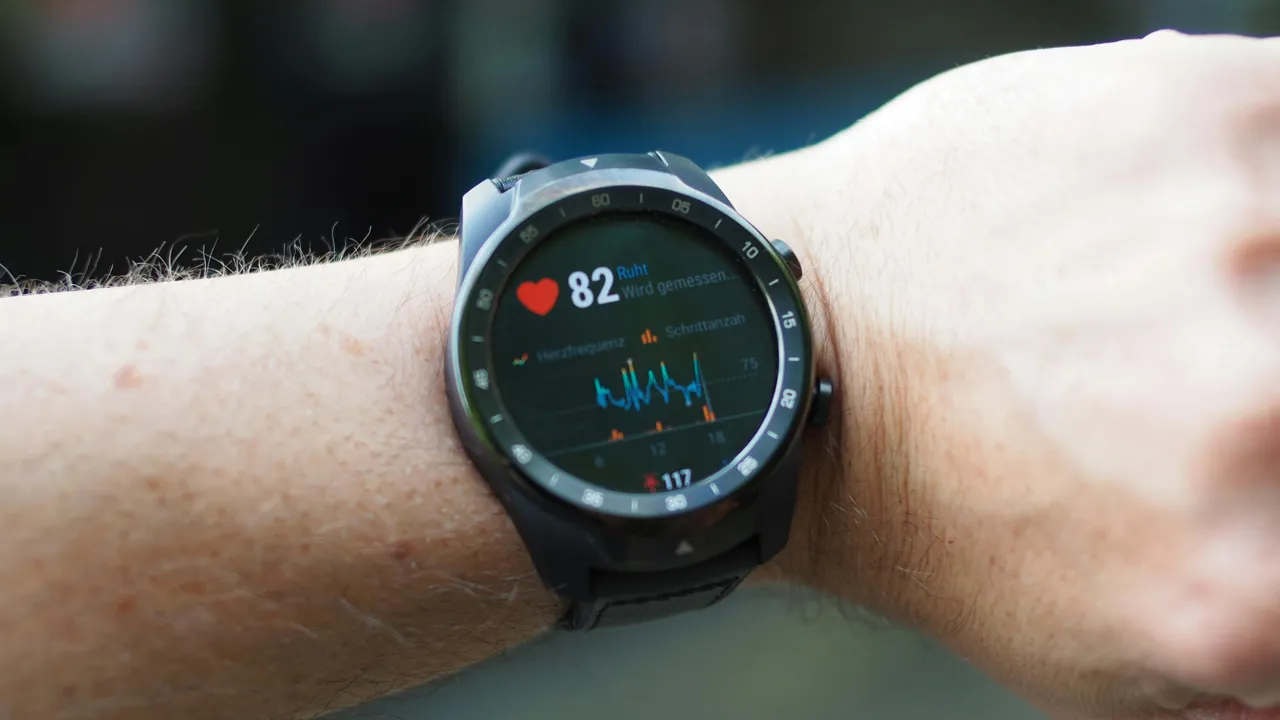
Ask most people what activity tracking means and they’ll say steps and calories burned. Those numbers have their place. But they’re a thin slice of what a record of your own behavior can actually tell you, especially if what you’re after is feeling better rather than performing better.
Wellness isn’t a number on a scale or a weekly mileage total. It comes out of how you eat, move, sleep, handle stress, and recover, and how all of that interacts. Tracking can help you see it, as long as you go about it sensibly.
So here is how to use tracking as a wellness tool rather than as one more thing generating anxiety on your home screen.
Start by Noticing, Before You Start Optimizing
The first mistake almost everyone makes is trying to improve before they know what they’re improving from. They set ambitious targets, miss them inside a week, then either delete the app or fall into a long cycle of guilt and catch-up.
Try this instead. Spend your first two weeks just watching. Log what you actually do, not what you meant to do, with no changes and no judgment attached. If you want a shortlist of things worth writing down, these five small habits that compound over a month are a reasonable place to begin, but the observing is the part that matters.
Two weeks in, you’ll have a realistic picture of your habits. Which activities happen reliably, where the gaps sit, what your energy actually does across a week. That baseline beats any generic recommendation you’ll read anywhere, including here.
Track What Matters to Your Specific Goals
Wellness metrics aren’t equally useful to everybody. Track everything at once and you drown the signal you care about in a pile of numbers you don’t.
If you’re mostly trying to reduce stress, then mood, sleep quality, and time spent outdoors or with people will tell you more than macros ever will. If you’re chasing steadier energy, watch sleep duration, screen time before bed, and when your last coffee landed. And if you work for yourself, the biggest stress input is usually the shape of the working week, which is why it helps to see how much of it quietly disappears into unpaid admin.
The question to keep asking is what you’d need to know in order to make a better call about your health this week. Build your tracking around answering that, not around collecting every number a device can produce.
Logly lets you define your own activities and metrics, so you can stay focused on what’s relevant to your actual life instead of adapting yourself to somebody’s template.
Look for Connections, Not Just Totals
Raw totals give you a snapshot. Hours of exercise this week, glasses of water today. Fine, but flat. The interesting stuff shows up when you put two parts of your life side by side. That holds for the small stuff too, provided the small stuff is cheap to capture: hydration only earns a place in the log if you are logging one number at the end of the day instead of tapping a cup icon twelve times.
A few worth watching: whether you sleep better on days you exercise before noon versus after dinner, whether your energy runs higher on days with at least twenty minutes outside, whether your mood dips at a predictable point in the month. You may also spot that particular social plans keep showing up on your best days.
Patterns like these are invisible without a record, and a few weeks of honest logging is usually enough to make them visible. They’re closely related to the handful of tracker numbers that actually tell you something. Once you can see one, you can make a small targeted adjustment instead of overhauling your entire life on a Sunday night.
Treat Streaks as Momentum, Not as a Report Card
Streaks do work, psychologically. A run of consecutive days genuinely makes you want to keep it going, and pretending otherwise would be silly.
They also curdle. A single miss can feel like proof of failure, which is exactly the pressure gamified habit apps are built to exploit, and it pushes people to abandon a habit rather than simply pick it up again tomorrow.
The healthier frame is to read a streak as momentum rather than a grade. A broken one isn’t a failure, it’s information. Something got in the way that day. The useful question is what made it harder, and what you could change to make next time easier.
Review your history through that lens and missed days turn into data instead of evidence against your character.
Pay Attention to Your Rest and Recovery
Tracking tends to fixate on what you did. What you didn’t do (rest days, slow mornings, deliberately empty evenings) matters just as much to how you feel.
Plenty of people deep into a wellness routine are quietly under-recovering. They train consistently and skip rest days. They stay “productive” all evening instead of actually stopping. They log every active thing they do and never log recovery as something worth counting.
So put rest in the tracker too. A nap. A stretching-focused yoga session. An hour with a book. A walk with no fitness purpose whatsoever. Logging those alongside the sweaty stuff gives you a fuller picture of your week, which is the same instinct behind counting a small, quiet entry as a real one.
Make It a Habit, Not a Chore
Tracking survives when it’s fast and slots into moments you already have. Thirty seconds after your morning walk. A quick mood note at lunch. A line about sleep before bed.
The moment it starts feeling like a burden, it has stopped being a wellness tool and become another source of stress, which rather defeats the purpose.
If you catch yourself dreading the log, make it smaller. Track fewer things, lean on defaults, and let yourself estimate instead of calculating. You want a feedback loop you’ll keep, not a complete data record you’ll resent.
Wellness is a long game, and no single day’s data is worth much. The value builds in the honest picture that shows up over weeks and months. When you can look back at your best stretch and see what you were actually doing at the time, you have something better than generic advice: a description of what works for you specifically.
Try Logly and start building that picture. Simple activity tracking, made for your whole-body wellness.
Ready to start tracking?
Logly makes it easy to build lasting habits and see your progress over time. It's free to download.


Frequently asked questions
How can I use activity tracking to improve my wellness?
Start by noticing, not optimizing. Log what you actually do across movement, sleep, stress, and rest so you can see the whole picture rather than chasing one number. Wellness comes out of how those pieces interact, and tracking is what makes the connections visible.
What should I track for wellness beyond steps and calories?
The useful metrics are usually the ones tied to how you feel: sleep, energy, stress, rest days, and whatever affects them. Logging those next to the standard fitness numbers will tell you far more about your well-being than a step count ever does.
How do I find patterns in my wellness data?
Look for correlations rather than totals. Notice how a run, a rough night, or a full rest day shows up in how you feel the next day. Logly lets you ask plain-language questions about your own history with AI insights, so the connections surface without you building a spreadsheet.
Do I have to track every day for it to help my wellness?
No. Treat streaks as gentle momentum rather than pressure. You're after a long-term picture, and one missed day doesn't erase what you've already learned. Logging often enough beats logging perfectly and then quitting in week three.