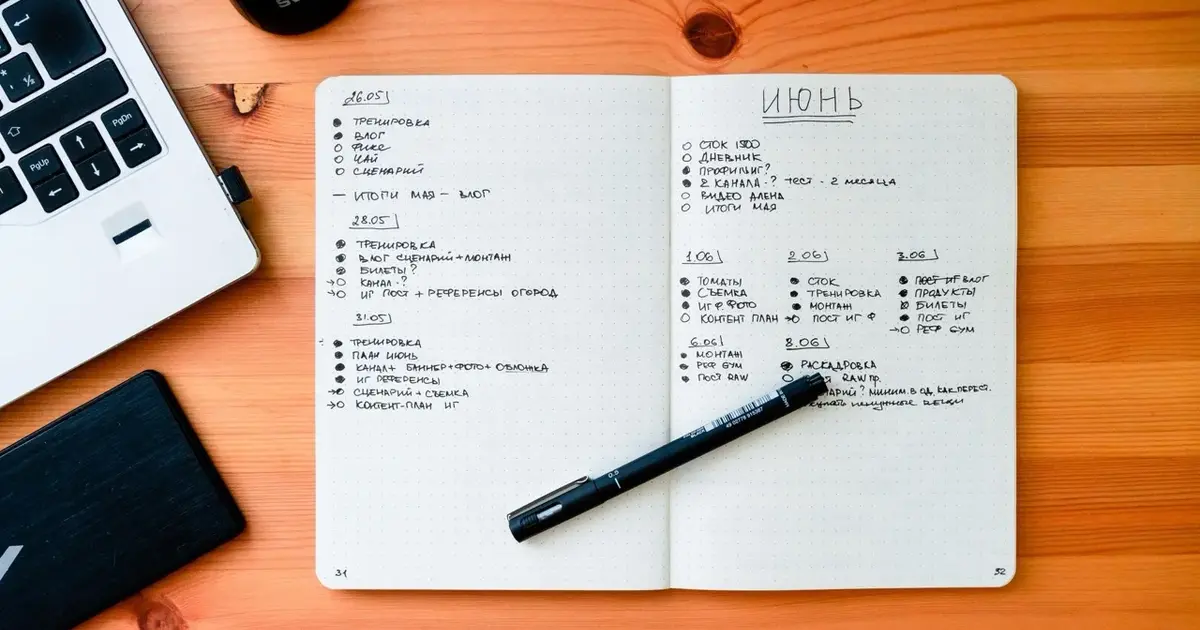
Life logging sounds like something you’d need a manual for. It’s actually one of the simplest things you can do with your phone. You keep a light record of your days, what you did, how you felt, the small things worth remembering, so that later you can look back and see your life instead of guessing at it from memory. That’s the whole practice. If you’re a beginner hunting for a life logging app you’ll still be using next month, the trick is to start much smaller than feels reasonable.
Nearly everyone who quits quit because they began too big. So before we get to apps and setup, it’s worth pinning down what life logging is, and what it isn’t.
How It Differs From Habit Tracking and Fitness Apps
These three get lumped together constantly, but they answer different questions, and knowing which is which will stop you picking the wrong tool.
A habit tracker is built around goals. You decide you want to meditate daily or drink more water, and the app holds you to it with streaks and checkmarks. The frame is aspirational: this is who I’m trying to become. It works beautifully for some people and quietly grinds down others, because the moment you slip, the app makes sure you know.
A fitness app watches your body. Steps, workouts, heart rate, sleep. A lot of it runs off a sensor with no input from you, which is convenient, but it can only see what a device can measure. It has no idea you had a wonderful afternoon or finally started that book.
Life logging is wider and more neutral than either one. You aren’t aiming at a goal or measuring your body. You’re recording what happened, whatever it was, so you can spot the patterns yourself. A hard workout and a lazy Sunday get identical treatment: both are entries. Nothing in the system counts as success or failure, which is exactly why it holds up against real life better than the other two. A missed day hasn’t broken anything. It’s just a day you didn’t write down.
That neutrality is the whole feature. It’s the difference between a system that makes you feel watched and one that just remembers on your behalf.
What’s Actually Worth Logging When You’re New
The instinct, once you’ve decided to try this, is to track everything. Mood and sleep and meals and workouts and water and reading and screen time, all beginning tomorrow morning. This is the classic beginner move, and it fails so reliably you could set your watch by it.
Start with your daily activities. What you did, a word or two, once a day. Went for a walk. Cooked dinner. Called a friend. Long meeting, then a slump. Kept for a few weeks, that alone shows you more about how your life goes than you’d expect, because it catches the ordinary things memory throws out. It’s the same compounding idea behind these five small habits that quietly reshape a month.
If you want a second thing, make it mood. Mood is the great companion metric. On its own it’s thin. Next to an activity log it becomes a lens, and after a while you start seeing which sorts of days leave you feeling good and which drain you flat. That connection is genuinely hard to spot any other way.
Past those two, add sparingly, and only once the current ones feel like nothing. The occasional meaningful event is worth catching as well, the kind of thing you’ll be glad to find a year later: a trip, a milestone, a day that mattered. You don’t need a category for every part of your life. You need a short, honest record you’ll keep.
Over-Logging Is the Real Risk
The counterintuitive part is that the thing most likely to kill your life logging habit isn’t laziness. It’s ambition.
Every extra thing you track is another small decision each time you open the app, and another chance to fall behind. Track ten things and a busy day hands you ten little failures instead of one quick entry. That’s the day you skip, skipped days pile into a guilty backlog, and the backlog is what makes people delete the app. Ten metrics don’t give you ten times the insight. They give you ten times the friction, and friction is what ends these things. I’ve written about why most tracking habits fall apart inside the first month, and over-logging is near the top of the list every single time.
The fix is almost embarrassing in its simplicity: track less than you think you should, and keep every entry fast. If logging your day takes longer than deciding what to eat for lunch, it’s too heavy, and you’ll drop it right when it was about to get interesting. A thin record you keep for a year beats a rich one you abandon in a week, and it isn’t close.
The tool matters here too. An app that celebrates streaks and flashes warnings when you miss is teaching you to read a gap as failure, which is precisely the mindset that ends the practice. You want something that treats a skipped day as a shrug rather than a verdict, which is the argument for counting a small honest entry as a real win instead of a consolation prize.
Picking a Life Logging App You’ll Keep Using
Once you know what you’re after, the checklist gets short. It should let you log almost anything rather than just workouts or preset habits, since breadth is the point. Entry should take a few taps. It should keep a history you can browse, because the looking back is where the value actually lives. And it should be forgiving, with no shame mechanics turning a normal gap into a problem.
Whichever you pick, the first few weeks matter more than the choice itself. Log your one or two things, keep it quick, and every couple of weeks spend two minutes reading back through. That review is the quiet habit that eventually pays. For a fuller walkthrough of that opening stretch, our step-by-step guide to tracking your own life data maps out a gentle first week, and if you’re curious where the whole idea came from, the plain-language history of the quantified self movement sets life logging in context without the biohacker baggage.
Keep It Light and It Will Keep Going
Life logging works because it’s honest and easy, not because it’s thorough. A short record of your days, kept somewhere that takes seconds and then gets out of the way, read back now and then with some curiosity. That version lasts. The elaborate one with a dozen metrics and a dashboard is the version people quit in March.
Lightness is what Logly is built around. It’s a simple, private activity tracking app where a workout, a mood, a page count, and a good day all live together, logging takes a few taps, and a skipped day is only a skipped day. No gamification, no streak shame, no social feed. The core logging is genuinely free and stays free, so you can work out whether life logging suits you before deciding whether you ever want the extras.
Start with one thing tonight. Add the next only when the first feels like nothing. That’s the whole method.
Logly is life logging without the complexity. Start free at getlogly.app.
Ready to start tracking?
Logly makes it easy to build lasting habits and see your progress over time. It's free to download.


Frequently asked questions
What is life logging, in simple terms?
Life logging means keeping a light record of what you do and how you feel, across any part of your life, so you can look back later and see your real patterns. It's wider than a habit tracker, which is built around goals, and wider than a fitness app, which mostly watches your body. A workout, a mood, a good meal, and a hard day can all sit in the same place with no judgment attached.
Is life logging different from journaling?
They're cousins. Journaling leans on reflection and full sentences, which is lovely but costs time and energy you won't always have. Life logging is lighter, often a word or a tag or a number, done in seconds. Add a longer note whenever you feel like it, but the quick entry is what keeps the log alive on the days a blank journal page would stay blank.
What should a beginner log first?
Your daily activities, and maybe your mood. Nothing else. Write down what you did in a word or two, once a day. Mood pairs well with almost anything because it gives the rest context. Resist adding sleep, water, workouts, and screen time all at once. One or two things you keep up beat a dozen you drop inside a week.
How do I avoid burning out on a life logging app?
Track few things, keep each entry fast, and choose a tool that doesn't punish a missed day. Burnout usually comes from over-logging, or from an app that turns a gap into a guilt trip with broken streaks and red marks. If logging starts feeling like a second job, that's your cue to track less.